Maximizing Power Factor Control with Diesel Generators


Introduction
In today's world, where electricity consumption is increasing at a rapid pace, power factor control has become a crucial aspect of efficient energy management. Power factor is a measure of how effectively electrical power is being converted into useful work output, and maintaining a high power factor is essential for reducing energy wastage and optimizing the performance of electrical systems. One of the key tools for power factor control in industrial and commercial settings is the diesel generator. In this article, we will explore the role of diesel generators in power factor control, their advantages, applications, and best practices for maximizing their effectiveness.
Understanding Power Factor
Before delving into the specifics of diesel generators and power factor control, it is important to have a clear understanding of what power factor is and why it is important. Power factor is a ratio that measures the real power (kW) being used in an electrical system relative to the apparent power (kVA) being supplied. A power factor of 1 indicates that all the supplied power is being used effectively, while a power factor less than 1 indicates that some power is being wasted due to reactive power flow.
In simple terms, a low power factor means that the electrical system is not operating efficiently, leading to increased energy costs, reduced system capacity, and potential equipment damage. By improving power factor, businesses can reduce electricity bills, increase system efficiency, and enhance the overall reliability of their electrical infrastructure.
Role of Diesel Generators in Power Factor Control
Diesel generators play a critical role in power factor control by providing reactive power support to the electrical system. Reactive power is necessary to maintain voltage levels and support the operation of inductive loads such as motors, transformers, and lighting systems. When the power factor of an electrical system drops below a certain threshold, diesel generators can be used to inject reactive power into the system, thereby raising the power factor and improving overall system efficiency.
Diesel generators are well-suited for power factor correction due to their ability to quickly ramp up power output and provide stable voltage and frequency control. Unlike renewable energy sources like solar or wind power, diesel generators can be started and stopped on demand, making them ideal for responding to fluctuations in power demand and maintaining optimal power factor levels.
Advantages of Using Diesel Generators for Power Factor Control
There are several advantages to using diesel generators for power factor control in industrial and commercial applications:
1. Fast response time: Diesel generators can start up and reach full power output within a matter of seconds, allowing them to quickly respond to changes in power demand and maintain stable voltage and frequency levels.
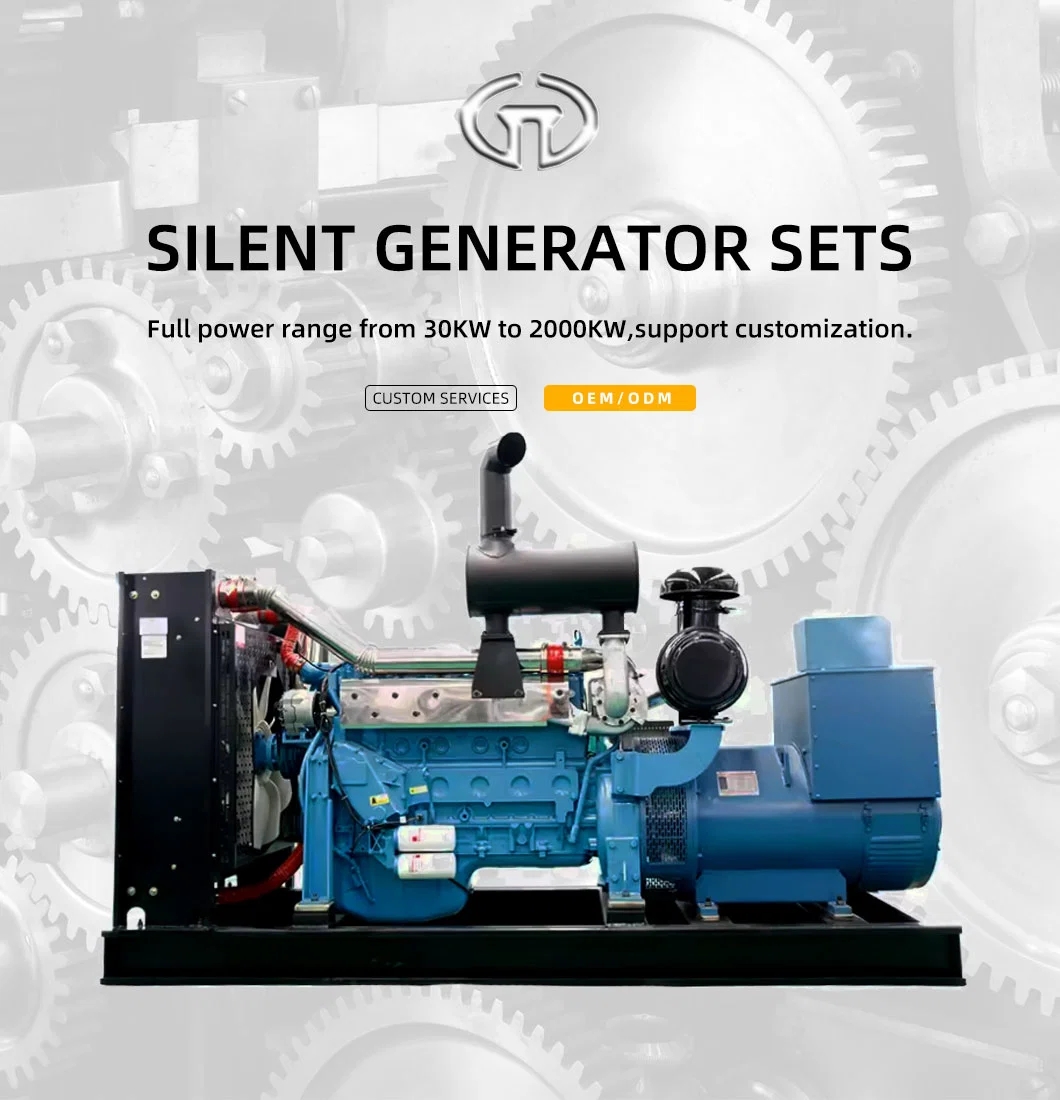
2. High efficiency: Modern diesel generators are designed to operate at high efficiency levels, minimizing fuel consumption and reducing operational costs associated with power factor correction.
3. Reliability: Diesel generators are known for their robustness and reliability, making them a dependable source of backup power for critical systems that require continuous operation.
4. Scalability: Diesel generators come in a wide range of sizes and power outputs, making them suitable for applications of all scales, from small businesses to large industrial facilities.
Applications of Diesel Generators for Power Factor Control
Diesel generators are widely used for power factor control in various industries and applications, including:
1. Manufacturing facilities: Industrial plants with heavy machinery and equipment often require reactive power support to maintain stable voltage levels and prevent voltage sags and fluctuations.
2. Data centers: Data centers rely on uninterrupted power supply to ensure the continuous operation of servers and networking equipment. Diesel generators are used to provide backup power and support power factor correction during grid outages.
3. Hospitals: Healthcare facilities require reliable power sources to maintain critical operations such as life support systems, medical equipment, and lighting. Diesel generators play a vital role in ensuring uninterrupted power supply and power factor control in hospitals.
4. Telecommunications: Telecommunication networks depend on a stable power supply to maintain connectivity and communication services. Diesel generators are used to provide backup power and support power factor correction in telecom infrastructure.
Best Practices for Maximizing Diesel Generator Effectiveness in Power Factor Control
To maximize the effectiveness of diesel generators for power factor control, it is essential to follow best practices and proper maintenance procedures:
1. Regular maintenance: Diesel generators should be inspected and serviced regularly to ensure optimal performance and reliability. This includes checking fuel levels, oil levels, coolant levels, and conducting load bank testing to verify power output.
2. 200kw diesel generator : Proper load management is essential for maintaining stable power factor levels and preventing overloading of the generator. Avoid running the generator at low loads or idle conditions, as this can lead to inefficient fuel consumption and increased wear and tear.
3. Monitoring and control systems: Implementing advanced monitoring and control systems can help optimize the operation of diesel generators for power factor control. These systems provide real-time data on power output, fuel consumption, and system performance, allowing operators to make informed decisions and adjustments as needed.
4. Reactive power compensation: In addition to using diesel generators for power factor correction, consider implementing other reactive power compensation solutions such as capacitor banks, static VAR compensators, or synchronous condensers to further enhance system efficiency and power quality.
Conclusion
Diesel generators play a vital role in power factor control by providing reactive power support to electrical systems and helping maintain optimal power factor levels. By leveraging the fast response time, high efficiency, and reliability of diesel generators, businesses can improve energy efficiency, reduce operational costs, and enhance the overall performance of their electrical infrastructure. When used in conjunction with proper maintenance practices and advanced control systems, diesel generators can be a valuable asset for achieving power factor control in a wide range of industrial and commercial applications.